
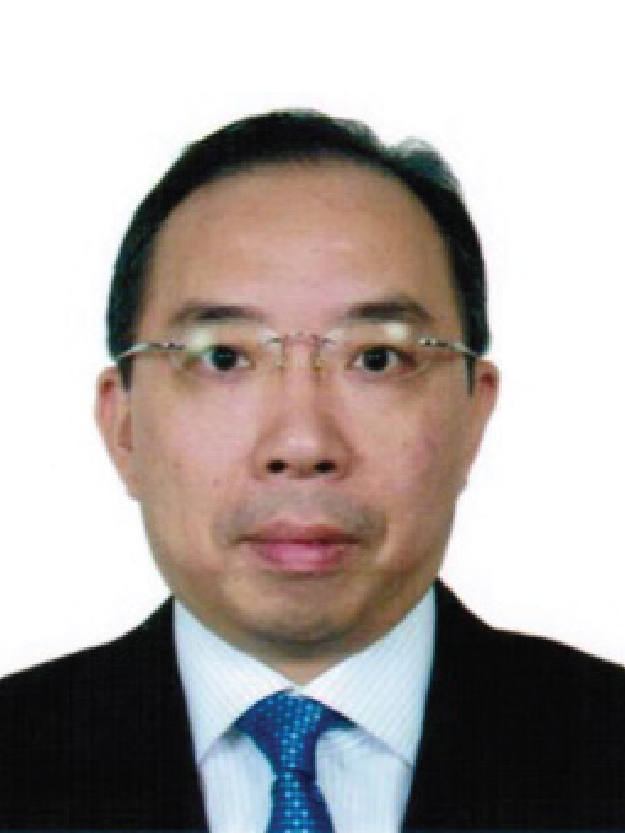
Professor Zheng Qiming
Abstract
Ending Wildlife Products in TCM: Acupuncture as the Modern Solution for Mental Disorders
Traditional Chinese Medicine (TCM) is increasingly evolving toward ethical, sustainable, and evidence-based practices, moving away from wildlife-derived products due to environmental, legal, and public health concerns. This shift highlights acupuncture as a modern and responsible alternative, particularly in the management of mental health disorders. In Philippines, conditions such as depression, anxiety, and stress remain major factors affecting normal daily work and life, compounded by limited access to care, high treatment costs, and persistent stigma. With the implementation of Republic Act 11036, there is growing support for integrative approaches to mental healthcare.
This discussion examines acupuncture as a complementary therapy for mental disorders, drawing on both TCM theory and biomedical evidence. From a traditional perspective, acupuncture restores balance in Qi, Yin-Yang, and organ systems, while biomedical research suggests it modulates the nervous system, enhances neurotransmitter release, and reduces stress responses. Empirical studies, including meta-analyses, demonstrate its effectiveness in improving sleep quality, reducing anxiety, and alleviating depressive symptoms, often with fewer side effects than pharmacological treatments.
Acupuncture offers several advantages, including safety, low risk of dependency, and a holistic approach to care, while also serving as an ethical alternative to wildlife-based TCM practices. However, challenges such as variability in evidence quality and the need for trained practitioners remain. Overall, integrating acupuncture into the Philippine healthcare system presents a promising, sustainable strategy to expand access to mental health services and support patient-centered care.
The Secretariat reserves the rights to amend or update the information without advance notice.
 #ChineseMedicine, #IntegrativeMedicine, #Medicine, #ComplementaryMedicine, #Pharmacology, #DrugDevelopment, #Herbal,
 #Herbs, #ComplicatedDiseases, #Therapy, #TraditionalMedicine